Digital Business Models: An Introduction
Updated: Dec 26, 2021
Whether it is the structure of monetization or the way a value proposition is sourced, digital business models enable organizations to streamline their processes, create recurring revenue streams, allow access to new markets and enhance access to the existing customer base. This often entails integrating existing business processes with technology in a manner that the both combine to form a composite whole that allows a company to increase their profit generating capacities exponentially.

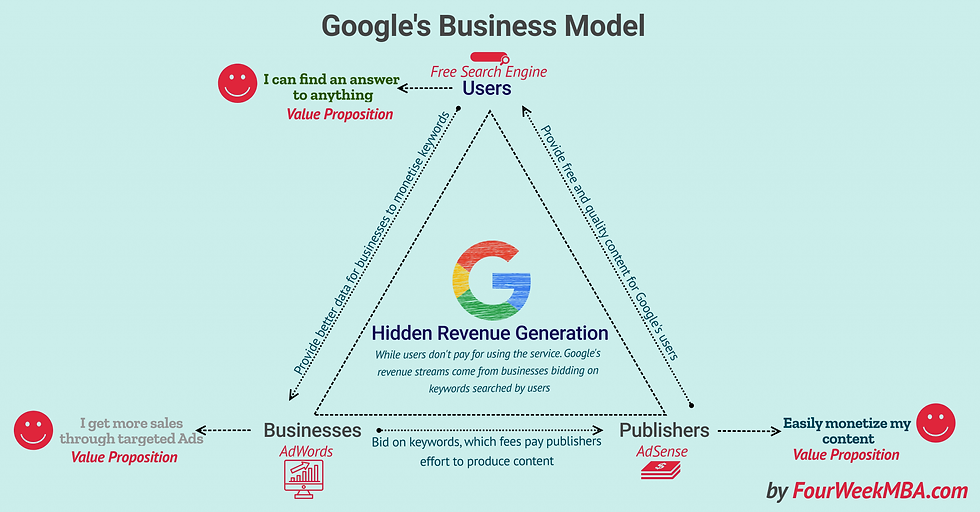
Within digital models themselves there are a number of ‘types’ of digital business models that can be adopted. For instance the ‘free model’ where an innovative product is made available to the masses for free. Only when the product in question has a massive user base, does a monetization strategy enter the picture. Google is a very good example of this. They made their search engine available to the masses and only when they had a large user base did ad revenue enter the picture.
While the advantages of digital business models are obvious large organisations have been slow to integrate these within their processes. But business leaders need to be more intuitive and enterprising. In the beginning Jamie Dimon the CEO of JP Morgan was dismissive of cryptocurrency and then a few years later JP Morgan introduced their own JPM Coin. While it can be argued whether a dollar-backed cryptocurrency is truly disruptive in any way, it is important to note, that JPM realized the marketplace is changing.


Comments